
Northumberland is a land of two parts – hill & moorland (with beef and sheep farms and forestry) over most of the county to the south and west, but with the contrast of lowlands (and mainly arable farming), wide sands and castles on the eastern coast

It’s that eastern coastal strip that most visitors head to, for some spectacular and unique gems that stand comparison with any in the UK – stone-built villages and towns, wide golden sands and towering sand dunes (much of it owned by the National Trust, and visibly rich in flora and fauna), and historic buildings straight out of a period drama.
So this was a trip where I planned to divide my time between the hills and that stunning coast, and as it turned out I only actually managed one full day’s hill hiking, plus a visit to National Trust owned Cragside (a country house on the moors) and a quick stop and short walk at Sycamore Gap on Hadrian’s Wall on the way home. But no regrets there.

Lindisfarne and Holy Island, Bamburgh Castle and Alnwick were on my ‘must see’ list , as they are for most visitors, and were ticked off early doors. But by far the highlight of the week, and a memory-making trip that won’t easily be beaten was to Northumberland’s jewel in the crown for nature-lovers, the Farne Islands.
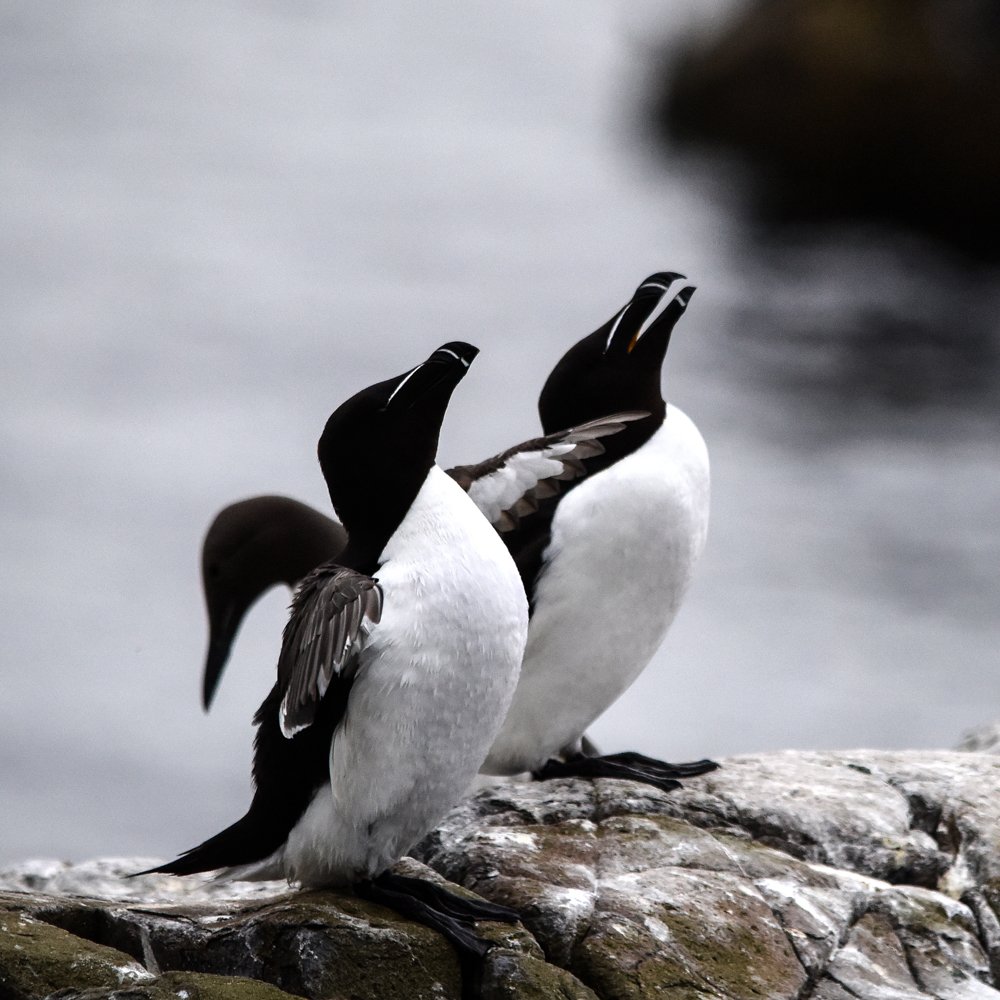
The tourist boats that run out of Seahouses harbour offer a few options, one of which heads out to the outer islands (for seabirds, grey seals and the lighthouse made famous by Grace Darling) before landing at Inner Farne for an hour’s visit, the current limit. I could easily have spent all day there, but it’s a small island and the hour is just enough to stroll round, get up close and personal with puffin, guillemot, razorbill, kittiwake (and get a few decent photos in each location), be dive-bombed by nesting terns, and see eider, shag and others at a bit more of a distance. If you love nature and are heading anywhere near Northumberland – find room in your plans to do the trip. It won’t let you down.



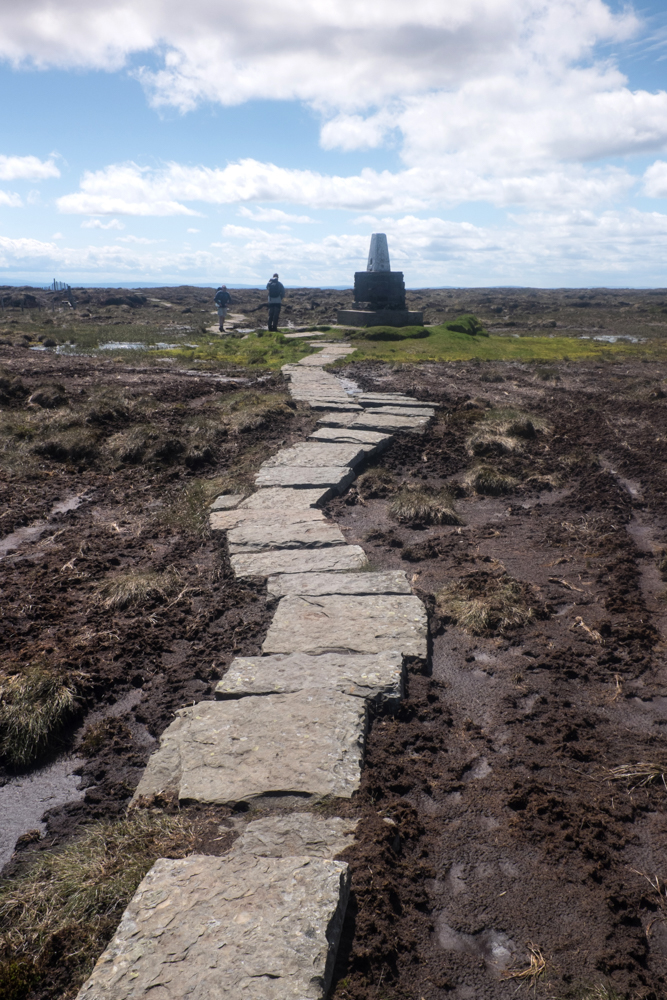
The Cheviot was my target for a decent hike – Northumberland’s highest at 815 metres and one of England’s top 50. From the picturesque Harthope valley near Wooler it’s a fairly easy-to-navigate, steady climb over Scald Hill, with just a bit of a sting in the tail on the final steep ascent onto the summit plateau. I was content just doing the one hill, and ticking off another Nuttall but younger or fitter legs might do the full round, and include the 2 Nuttalls on the other side of the valley, Comb Fell and Hedgehope Hill. The moorland around here is similar to most you’ll find in Northern England in a National Park – not particularly mind-blowing but (from what I can see) not farmed too intensively, so more bio-diverse than some places and with great views to the coast and, on a good day, as far as the Lakes the other way. And the cotton grass was out when I was there. Always a plus for photos.


I’d be hard pushed to come up with any negatives about my trip. The more iconic places get a bit crowded at times, but I can’t really complain about that when I was one of the multitude myself! And there are acres of quiet spots to get away from the crowds, in the hills (I saw just 6 people on the Cheviot), and on the expansive beaches. Swapping a National Trust gift voucher for a copy of ‘The Photographer’s Guide in Northumberland’ by E.Bowness from Long Valley Books was my best move of the week. A fantastic little guide to keep handy – for Dunstanburgh Castle it pointed me not just to Craster but also to Embleton beach (and easy parking by the Golf Club), and from there to much quieter Low Newton-by-the-sea for its limestone pavement where dunlin were feeding. Worth getting your hands on a copy if you’re going.
 moel a mynydd - hill & mountain
Leave a comment